Creatine: The Powder That Packs a Punch

If you thought creatine was only for bodybuilders you are not alone. It is what I thought too until not so long ago.  For years, creatine has been typecast as a muscle builder for “gym bros” and powerlifters. That reputation has kept a lot of folks—especially women—from seeing what it can actually do for them.

In reality, creatine is one of the safest and most effective supplements out there and its benefits go far beyond the weights room. This humble little compound can quietly help your muscles, your memory, and even your mood.

In fact, if creatine were a person, it would be that super-energetic friend who drags you to the gym and beats you at trivia night.

So what is creatine anyway?

Creatine is a naturally occurring substance, 95% of which is found in your muscles, the rest in your heart and brain. Your body actually makes it from amino acids, and you also get some from eating meat and fish.
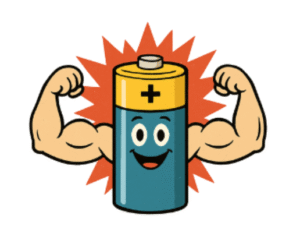
Think of it as your body’s emergency battery pack — it quickly regenerates energy when you need to lift, sprint, or solve the crossword before your coffee kicks in.  

Creatine keeps your brain sharp too

Creatine helps keep energy production steady inside brain cells, particularly in areas that regulate mood and cognition. 

Studies show creatine supplementation can:

  • Improve memory, focus and attention
  • Boost mental fatigue resistance
  • Potentially help with depression by supporting brain energy metabolism

Will supplementing creatine benefit women?

Yes—potentially even more so than men.

Women tend to have significantly lower creatine stores than men—by as much as 70 to 80%, according to research. That’s likely due to a combination of lower dietary intake and differences in muscle mass.

Vegetarians & Vegans: You Might Need It More

Since creatine comes mostly from meat and fish, vegetarians and vegans often have reduced creatine stores. That means the benefits of supplementing may be even bigger for them, improving both cognitive and physical performance while supporting adherence to plant-based diets.

Why Grandma & Grandpa Should Jump On the Creatine Train

Elderly muscles shrink faster than a wool sweater in hot wash—and that can affect everything from balance and mobility to metabolism and independence.

When combined with resistance training, creatine is highly effective for helping you build muscle and strength—which is critical for staying active and independent as you age. Who wouldn’t want that?

And of course creatine can also support cognitive health as the brain ages.

When and how to take creatine 

There’s an optional loading phase where you take 20g/day split into 4 doses for 5-7 days, then drop to 5g. This just helps you to “fill the tank” faster.
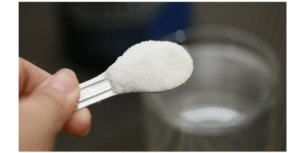
If you prefer to skip the loading phase, you can start with 5 grams per day from the beginning. This approach still works—it just takes longer (around 3–4 weeks) to fully saturate your creatine stores.

Take it anytime of the day that suits you. The real key is consistency. Daily use is what helps you maintain elevated creatine levels in your muscles and brain – and that’s what matters most.

Take with water or your protein shake.

Hot tip: creatineMaxD_Creatine_Monohydrate_Micronised monohydrate is king. Skip the fancy overpriced stuff.

MaxD Nutrition Creatine Monohydrate powder is micronized, dissolves beautifully in liquids and is very affordable.

Can you take both creatine and collagen?

Yes, you can take collagen and creatine together, as they offer complementary benefits for strength, muscle recovery, and joint health. Creatine supports muscle power and energy, while collagen provides structural support and resilience to connective tissues like joints, tendons, and ligaments. You can mix them in the same drink or consume them separately without any negative effects. 

The Bottom Line

Creatine is safe, cheap, effective, and surprisingly versatile. Whether you’re chasing PRs at the gym, trying to keep your brain sharp, or helping grandma keep her Zumba edge, creatine is a no-brainer.

So grab your spoonful of powder, mix it into your shake, and raise a glass to better lifts, brighter thoughts, and livelier years ahead.

If you haven’t given creatine a second thought, it’s time for a closer look: It might just be the best supplement you’ve never tried. 

PS: Creatine versus creatinine

There’s one issue that can cause confusion on blood tests: creatinine.

Creatinine is a breakdown product of creatine, and it’s one of the markers doctors use to check kidney function. 

When you take creatine, your creatinine levels can rise slightly—not because your kidneys are damaged, but simply because there’s more creatine in your system. If you get a “false positive” on lab tests and you’re perfectly healthy, your doctor will be glad to know that you are taking creatine.

To avoid this false positive altogether, you can stop taking creatine for 2–3 weeks before your blood draw. This “washout period” lets your levels return to baseline.  

And as always, if you have a kidney condition or are at high risk, talk to your doctor before taking creatine—or any other supplement.