

Kidney stones might be small… but wow, can they make a dramatic entrance.
If you’ve ever Googled “kidney stone symptoms” at 2am while curled up in the foetal position you already know: this is not the kind of “rock collection” anyone wants.
Let’s break it down in simple terms — what they are, the symptoms, the different types, and how you can treat and prevent them naturally.
First Things First: What Are Kidney Stones?
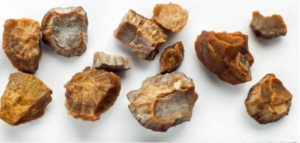 Your kidneys are basically your body’s filtration plant. They filter your blood and turn waste into urine. Sometimes, minerals in your urine stick together and form hard little crystals. Over time, those crystals can grow into stones.
Think of it like kettle scale build-up… but inside your plumbing. Same idea just with added pain.
The Symptoms: How You Know Something’s Not Right
Some stones sit quietly and cause no trouble. Others? Total drama queens.
Common symptoms include:
- Sudden, severe pain in your lower back or side
- Pain that moves toward the groin
- Nausea or vomiting
- Burning when you urinate
- Blood in your urine (it may look pink or cola-colored)
- Frequent urge to pee but not much comes out
The pain often comes in waves. It builds, peaks, eases… then returns. Many people describe it as one of the worst pains they’ve ever experienced.
NB: If you have fever, chills, or cannot pass urine — seek medical care immediately.
The Different Types of Kidney Stones
Not all stones are created equal. Here are the main types:
- Calcium Stones
These are the most common kidney stones. They form when calcium combines with oxalate in urine. High-oxalate foods include spinach, nuts, chocolate, and beets. (Yes… chocolate made the list. Life isn’t always fair.)
- Uric Acid Stones
These form when urine is too acidic. They’re more common in people who:
- Eat lots of red meat
- Are dehydrated
- Have gout
- High protein diets
- Struvite Stones
These usually form after urinary tract infections (UTIs). They can grow quickly and become quite large.
Natural Ways to Help Pass Kidney Stones
For smaller stones, natural support may help.
- Water, Water, Water
This is non-negotiable. Drink enough to produce clear or pale yellow urine.
Aim for 2–3 liters daily. Dilution prevents mineral build-up.
- Lemon Juice
Lemons contain citrate, which may help prevent calcium from clumping together.
Try fresh lemon juice in warm water daily.
- Apple Cider Vinegar
Contains acetic acid, which may help dissolve small stones and reduce pain.
Mix 1–2 tablespoons in a glass of water.
- Magnesium supplements
Magnesium may help prevent calcium oxalate stones by reducing oxalate absorption. Magnesium citrate is commonly used.
- Potassium Citrate
Often used medically, but also available as a supplement. It helps alkalize urine and prevent certain stones.
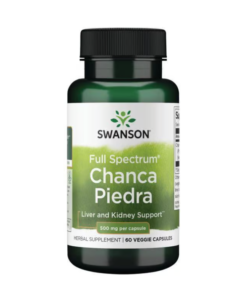 Nicknamed “stone breaker” and for good reason. Traditionally used in herbal medicine to support kidney health and help break down stones. Many people use it as part of a natural kidney stone prevention plan.
When Medical Treatment Is Needed
Natural methods are supportive — but sometimes stones are too big to pass naturally and then medical help is essential. Doctors may use:
- Medication to relax the ureter
- Shock wave therapy to break stones (lithotripsy)
- Surgery for larger stones
How to Prevent Kidney Stones (So They Don’t Come Back!)
If you’ve had one, you’re probably very motivated not to repeat the experience. Here’s how to reduce your risk:
1.Stay Consistently Hydrated Daily
Don’t wait until you’re thirsty. Hydration is your best defence.
- Don’t Overdo Salt
Too much sodium increases calcium in urine. Cut back on processed foods.
- Moderate Animal Protein
Large amounts of red meat can increase uric acid and acidity. Balance is key.
- Eat Calcium — Don’t Avoid It
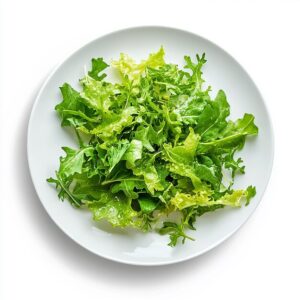
Surprisingly, too little dietary calcium can increase oxalate absorption.
Food-based calcium (like dairy or leafy greens) is better than excessive supplements.
- Balance Oxalate Foods
You don’t have to eliminate spinach and nuts — just don’t overdo them, especially if you’re prone to stones. Pair high-oxalate foods with calcium-rich foods to reduce absorption.
A Final Thought
Kidney stones are tiny but mighty. The good news is, they usually form slowly — meaning prevention is absolutely possible.
Hydration, balanced minerals, and paying attention to your body go a long way.
Your kidneys work hard for you every day without complaining. Don’t wait until they send you a painful reminder.