

 1. Research into the gut microbiome has revealed incredible connections between the gut and the brain. Metabolites produced by the gut microbiota include neurotransmitters like serotonin and dopamine and changes in the gut microbiota can contribute to anxiety and depression. People with depression have been found to have reduced gut microbial abundance and diversity. Eating probiotic-rich fermented foods, for example kefir, has been correlated with lower risk of major depression. A number of clinical trials and other research indicate probiotic supplements can be effective in treating depression.
2. The omega-3 essential fatty acid, EPA and DHA found in fish oil, may be the single most important nutrient for optimal brain function and many studies have confirmed that getting optimal amounts is essential in fighting depression. The American Psychiatric Association recommends omega-3 supplementation as an adjunctive therapy for mood disorders, including bipolar depression, noting potentially greater efficacy with treatments of EPA and DHA together where EPA dosage levels are higher in the combination.
The richest dietary source is in cold water fish such as sardines, anchovies, salmon and mackerel. These are not easily found in their fresh state in South Africa so our best option is to take a pharmaceutical grade omega-3 fish oil supplement that uses oil from these small wild fish. NB: Be sure to avoid supplements containing oil from farmed salmon. See my article: How to choose the best fish oil supplement.
3. One factor that underlies most depression is poor control of blood glucose levels. Glucose is the most important nutrient for the brain and any imbalance in its supply to the brain can result in a range of symptoms, including depression. Chromium is an essential trace mineral that enhances the action of insulin in the body, thus keeping levels of glucose in the blood stable. For many depressives, especially those who are gaining weight, feel tired all the time, crave carbohydrates and experience rejection sensitivity, chromium may be the missing link. As a non-prescriptive nutrient, chromium supplements are very affordable and have shown no side effects.
4. Some of your brain’s best friends, the B Vitamins have many roles to play in ensuring healthy brain function, such as lowering levels of perceived stress and improving mood in general. These vitamins are integral to the body’s ability to produce serotonin. Certain medications can lead to B-vitamins deficiencies, like proton pump inhibitors for acid reflux and birth control pills and depression is the most common symptom of folate deficiency.
 5. For some 5HTP, or 5-hydroxy-tryptophan, is helpful. It induces relaxation and elevates mood. This supplement appears to work well for those who wake up at 3am with feelings of doom and dread.
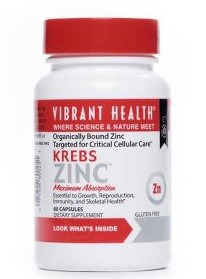
6. One meta-analysis found low zinc intake was associated with higher risk of depression. Conversely patients with depression seem to have lower zinc levels compared to non-depressed individuals. Supplementing with zinc has been found to improve depression both alone and alongside antidepressant therapy.
7. Low vitamin D has been associated with depression risk in observational studies, and several studies have noted a link between vitamin D deficiency and suicide. We have all noticed how great we feel after spending time outdoors on a sunny day. This is because sun exposure, allows your body to produce vitamin D, a great mood enhancer. So take up your place in the sun for just 20 minutes daily, with arms and legs exposed and minus the sun block. If you are never able to get into the sun then consider taking a high-quality vitamin D3 supplement.

Regular exercise is one of the secret weapons to overcoming depression. It works by helping to normalize your insulin levels while increasing your endorphin levels, your “feel good hormones”. Take a look at your friends who exercise and you will have to agree: Exercise is capable of changing ones entire mental outlook on life.
 Studies suggest that routine consumption of a Western-type highly processed diet increases the risk of developing symptoms associated with depression and anxiety in children and adults. In contrast, the risk is lower if an anti-inflammatory, Mediterranean-style diet is followed. A balanced diet of vegetables, fruits, healthy fats, lean proteins, and whole grains may help bolster mental wellness for management of daily life stresses, anxiety, and grief. Furthermore, dietary patterns such as regularly scheduled meals may also prevent mental health issues.